

Naming Names and Telling Stories
What filter?

I’ve been on a few podcasts lately (it’s easier than starting my own. Plus, the world obvi does not need another podcast). It is entirely enjoyable for me to talk about the Queendom of LookLook as anyone who knows me is well-aware.
My most recent chance to run my mouth was with someone who may match my ADHD/squirrel energy, William Harris of The Up Arrow Podcast. I fancy myself a pretty good interviewer, but he got me to reveal some juicy stories about how my recruiter bestie Susan and I scouted rich women at Barneys (RIP) for a CHANEL watch study in our early days and how Google asked us to query people about why Android OS usage had popped. The answer? Obamaphones, which were suddenly being handed out like candy.
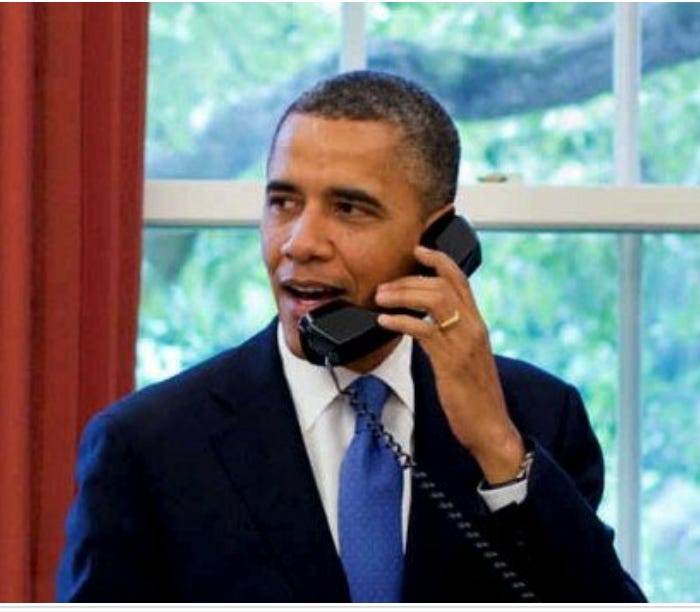
WE DON’T JUST DO LUXURY BRANDS. The “Obamaphone” program is part of ObamaCare and provides free cellphones (low RAM) to recipients of food stamps and Medicaid. When it first was launched, Google’s Android program wasn’t aware of why low-GB RAM phone usage had spiked. Susan Fare and I sleuthed it out and ended up interviewing people about their phones at the McDonald’s closest to the Jamaica, Queens Medicaid office.
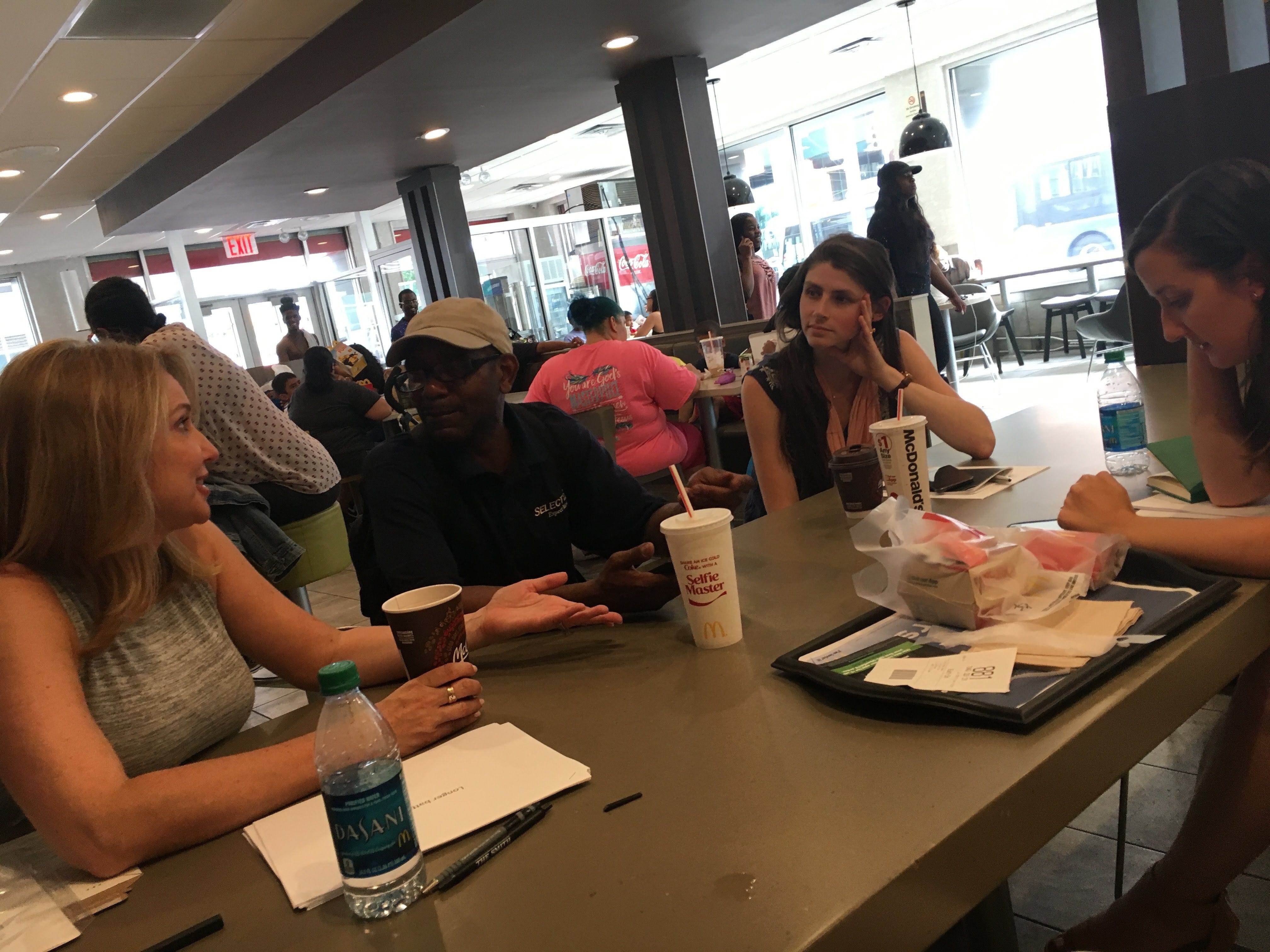
Note the “Selfie Master” on the soda cup - these were the exciting pre-Meta days of IG
In the podcast with William, I also slammed focus groups as I am wont to do. That was fun. I’m sorry, but anyone still using this outdated methodology (and a lot of companies do) should have a listen. People are not going to tell you anything remotely new or interesting while sitting in a sterile room in a strip mall with strangers, or on a Zoom. I don’t care what the subject is. Asynchronous anonymity one-on-one is much more intimate.
William also got me to talk about my singing days in Europe in my 20s (yes, this was an indulgent podcast) which made me realize how much main character energy I inevitably bring to my work. Let’s face it: the world of research can be boring, dry and rigid. My entire reason-for-being is to fight mediocrity and stasis. That’s what led me to create The Sensory Safari even while LookLook was still a twinkle in my eye. So thank you William, for helping me realize that.
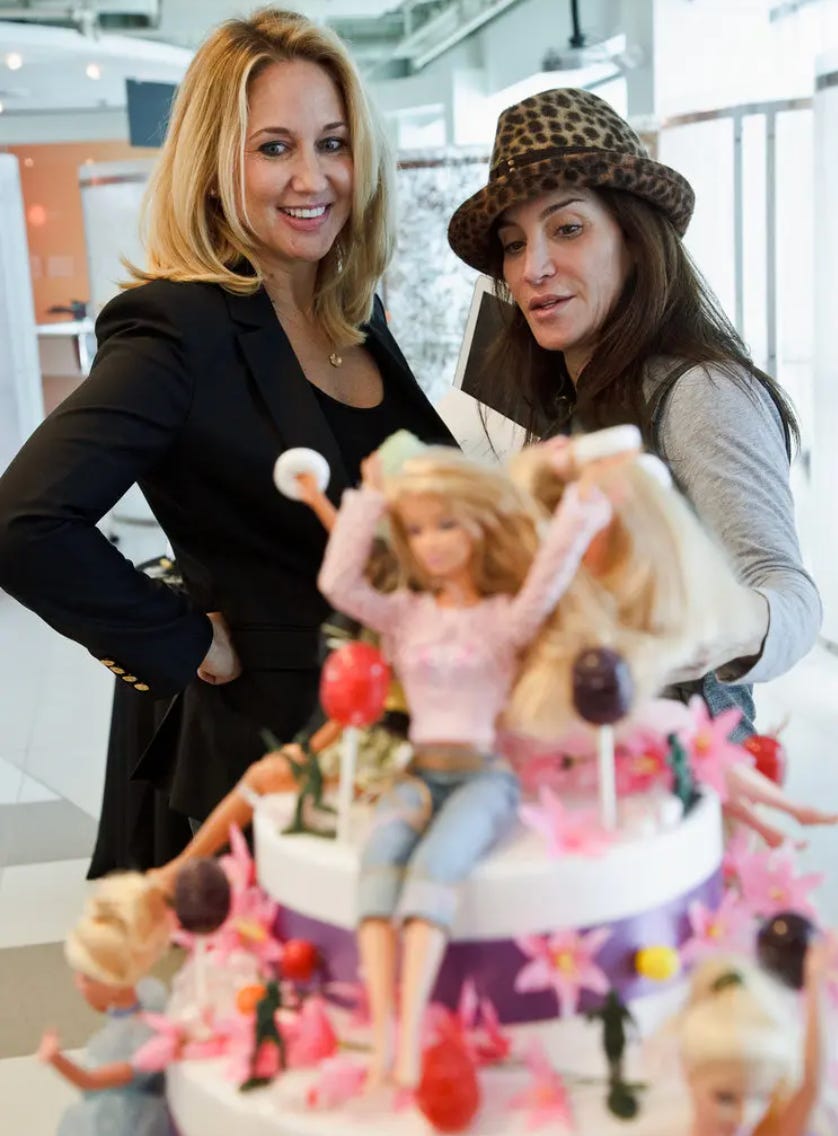
I don’t do this anymore. But it was kind of brilliant. I worked with a stylist to create insights events called Sensory Safaris for people to collectively explore ideas, brands, and categories using semiotics. We used sensory clues to evoke non-verbal dynamics. People listened to music, tasted things, perused scents, interacted with art and touched different textures. They used this stimuli to build giant installations of symbols and we then deconstructed the meaning. We did this in Russia, China, Japan, France, the U.S., Brazil and Mexico using the same stimuli across markets. This picture is from a piece in The New York Times that featured a Sensory Safari we did for Unilever on hair products.
COMING UP ON JULY 29TH
We at LookLook are soooooo excited to be collaborating with the seasoned journalist Mark Halperin of 2-Way Interactive on the creation of a multigenerational panel curated by LookLook that will discuss various aspects of The American Dream. Under Mark’s mindful approach of “peace, love and understanding” this promises to be a RARE civil, thoughtful “generational conversation like no other” amongst people age 21 to 74. More on that next week!
I’m a “9” on the Enneagram (mediator type) so the search for unity is near and dear to my heart. It literally makes my heart break how people struggle to talk to one another these days. I hope this will be a small step towards opening hearts and minds.
Stay curious, Malinda